
Ajax Alarm System for Smarter Site Security
False alarms waste time. Slow alerts cost money. An Ajax Alarm System is built to solve both problems with fast communication, smart device control and a cleaner installation approach than many older wired setups.
For property owners, retailers and site managers, the appeal is straightforward. Ajax combines intrusion detection, app-based control and automation in one platform that suits homes, shops, offices and higher-risk locations. It is especially useful where you need dependable protection without pulling apart walls or committing to a complex hardwired retrofit.
Why choose an Ajax Alarm System
The main strength of an Ajax Alarm System is how quickly it can be deployed while still delivering commercial-grade performance. Wireless detectors, sirens, keypads and motion sensors can be configured to suit the layout and risk profile of the site. That matters if you are protecting a family home, a retail tenancy or a temporary workspace where security needs to be active fast.
Just as important is visibility. Users can arm and disarm the system, receive alerts, check device status and manage permissions from a mobile app. For business operators, that means tighter control over after-hours access. For homeowners, it means knowing when a door opens or a motion detector triggers, even when nobody is on site.
Where Ajax works best
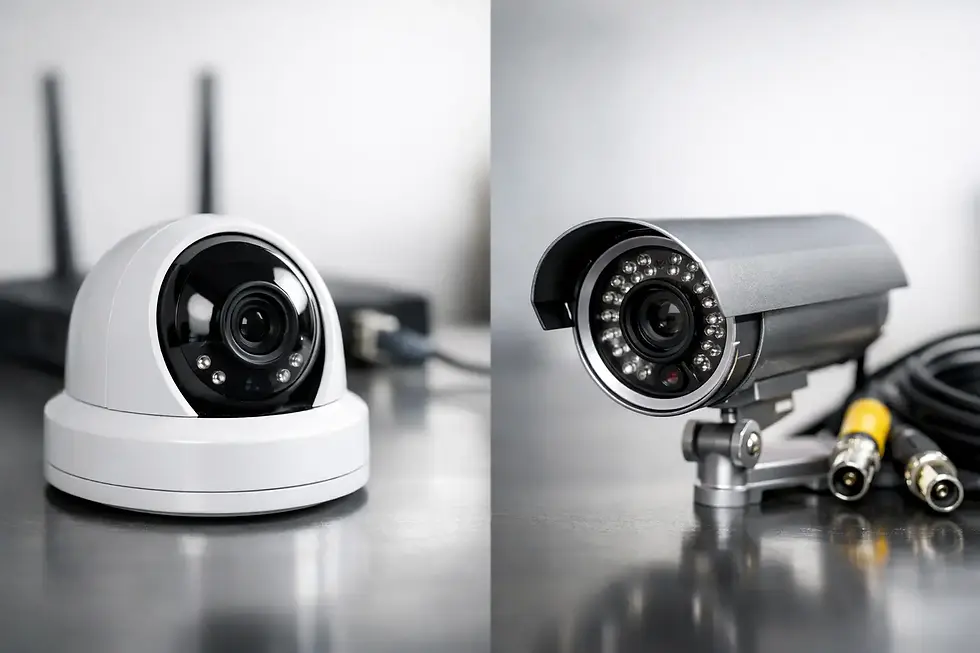
Ajax suits sites that need flexibility and reliable notification. Residential properties benefit from neat installation and simple everyday use. Retail and commercial premises often use it to cover entry points, stock areas and back-of-house zones. It can also support broader security planning when paired with CCTV, access control or monitored response.
There are trade-offs. Very large or complex facilities may need a more detailed design process, especially where multiple buildings, specialist access rules or layered perimeter protection are involved. In those cases, system configuration matters as much as the hardware.
Installation matters more than the product alone
Even the best alarm equipment can underperform if detector placement, signal planning and user permissions are handled poorly. A properly designed system should match the site layout, likely intrusion paths and day-to-day operations. That includes thinking about pets, staff movement, delivery access and the difference between business hours and after-hours protection.
Pegasus Data Systems approaches Ajax as part of a practical security outcome, not a box on a shelf. When the system is correctly specified, installed and configured, it becomes a dependable part of a wider protection strategy rather than a standalone gadget.
If you are considering an alarm upgrade, the right question is not just which brand to buy. It is whether the system can be tailored to your site, installed properly and backed by monitoring or expansion options as your security needs change.


Comments