IP Video Systems for Smarter Site Security
- pegasusdatasystems
- Jun 16
- 6 min read
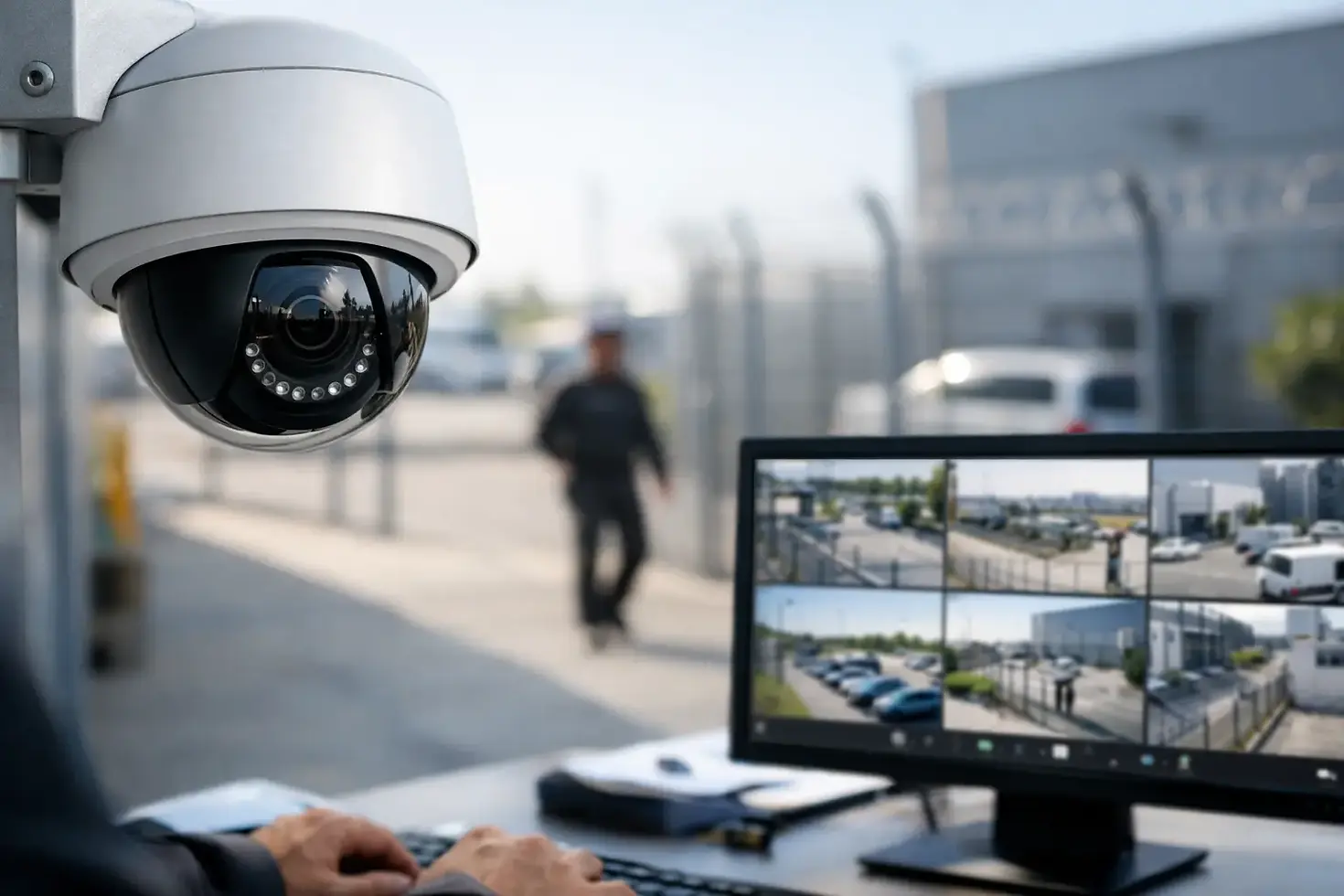
A blurry camera that only helps after an incident is not much of a security system. If you need to protect a home, shop, warehouse, school, car park or temporary worksite, IP video systems give you a far more useful level of visibility. They deliver clearer footage, remote access, smarter alerts and better control over how your surveillance is installed, monitored and expanded.
For many property owners and site managers, the shift to IP is less about keeping up with technology and more about solving real operational problems. You want to know who entered the gate after hours, whether a delivery arrived, what happened near a loading bay, or why alarms were triggered at 2 am. Good footage, reliable recording and fast access matter when you are trying to protect people, assets and business continuity.
What IP video systems actually are
IP video systems are camera surveillance systems that send video data over a network. Instead of relying on older analogue transmission methods, each camera connects through your network infrastructure and communicates with a recorder, monitoring platform or both. That makes the system more flexible in how it is designed and how footage is viewed.
In practical terms, this means cameras can often deliver higher image quality, support remote viewing, and integrate more easily with alarms, access control and intercoms. It also means the right design matters. A strong system is not simply a box of cameras mounted around a site. It needs proper coverage planning, recording capacity, network stability and settings that suit the risks on that property.
Why businesses and property owners are moving to IP video systems
The biggest reason is evidence quality. If a camera covers a driveway, entry point or cash handling area, you need footage that can actually identify people, vehicles and events. IP cameras typically offer stronger resolution options than older systems, which helps when you need to review faces, licence plates or movement in low light.
The second reason is access. Site managers, homeowners and operators increasingly want to check their cameras remotely without being on site. That may be for after-hours alarm verification, contractor oversight, opening and closing checks, or simply peace of mind while travelling. IP-based platforms make that far more practical.
The third reason is scalability. A small home may only need a handful of cameras, while a growing commercial site may need coverage across entry points, storage areas, car parks and internal zones. IP video systems are generally easier to expand in stages, provided the system is designed properly from the start.
Where IP video systems make the biggest difference
The value of IP surveillance changes depending on the environment. In a residential setting, the focus is usually front boundary coverage, doorways, side access and vehicle areas. Homeowners want to see who approached the property, when parcels were delivered and whether there was suspicious movement around the perimeter.
In retail, the priorities shift. Operators often need strong visibility at entries, point-of-sale zones, aisles, stockrooms and rear access. Footage is not just about theft. It can also support incident review, staff safety and dispute resolution.
For commercial and industrial sites, IP systems are often used across larger footprints with multiple risk points. Gates, workshops, loading docks, warehouses and external yards all present different lighting and distance challenges. A one-size-fits-all camera layout rarely works.
Temporary and exposed sites are another category altogether. Construction zones, civil works, laydown yards and remote assets often need rapid deployment surveillance where fixed infrastructure is limited or not worth installing. In those cases, mobile and solar-powered camera towers can extend the benefits of IP surveillance to locations that are harder to secure using traditional fixed systems.
The design choices that matter most
Resolution gets a lot of attention, but it is only one part of system performance. A high-resolution camera pointed in the wrong direction or installed at the wrong height can still produce poor results. Good design starts with understanding what you need to capture. General activity monitoring, facial identification, vehicle recognition and wide-area deterrence all require different placement and settings.
Lighting is another major factor. Many incidents happen after hours, which means low-light performance, infrared coverage and glare control need to be considered early. The same applies to weather exposure. Outdoor cameras in South East Queensland need to cope with heat, rain and dust without constant issues.
Recording is just as important as live viewing. You need enough storage retention for the level of risk on the site, and the right balance between image quality, frame rate and recording duration. Some customers want continuous recording, while others prefer event-based recording to reduce storage use. Neither is automatically right. It depends on the site, the threat profile and how footage is likely to be used.
IP video systems and integration
One of the strongest advantages of IP video systems is their ability to work as part of a broader security setup. Cameras are more valuable when they support alarms, access control and intercoms rather than operating in isolation.
For example, if an alarm is triggered after hours, integrated cameras can help verify whether it is an intruder, an authorised staff member or a false activation. If a gate or door is controlled through access systems, recorded footage can help confirm who entered, when they entered and whether the event matched approved access activity.
This matters because security decisions are often time-sensitive. A system that brings together video, alerts and controlled access gives property owners and managers a clearer picture of what is happening and what needs to happen next.
What to watch out for before you buy
Not every IP system is equal, and the cheapest setup can become expensive if it fails when you need it most. Consumer-grade equipment may look appealing online, but there is a difference between a basic home gadget and a professionally specified surveillance system.
Common problems include poor night performance, patchy mobile access, inadequate recorder capacity, weak Wi-Fi dependence and cameras installed without proper field-of-view planning. Another issue is buying hardware first and trying to work out the design later. That often leads to blind spots, cable limitations and coverage gaps around the areas that matter most.
There is also the question of monitoring. Some sites only need local recording and mobile access. Others benefit from 24-hour monitoring, especially where the risk of theft, vandalism or unauthorised entry is high. The right answer depends on how critical the site is, how often it is unattended and how quickly a response needs to be initiated.
Fixed systems versus mobile surveillance towers
For permanent premises, a fixed IP installation is often the right long-term option. It provides stable coverage, can be tailored to the building layout, and integrates well with existing security infrastructure.
For temporary sites or large open areas, fixed infrastructure is not always practical. Trenches, power availability, timeline constraints and changing site conditions can all make permanent installation inefficient. In those situations, mobile surveillance towers offer a more flexible path. They can provide elevated camera coverage, remote visibility and strong deterrence without the same level of civil works or permanent infrastructure.
That is where an experienced provider can save time and cost. Pegasus Data Systems works across both fixed and rapid-deployment surveillance solutions, which is important when a customer needs the system to suit the site rather than forcing the site to suit the system.
Choosing the right provider for IP video systems
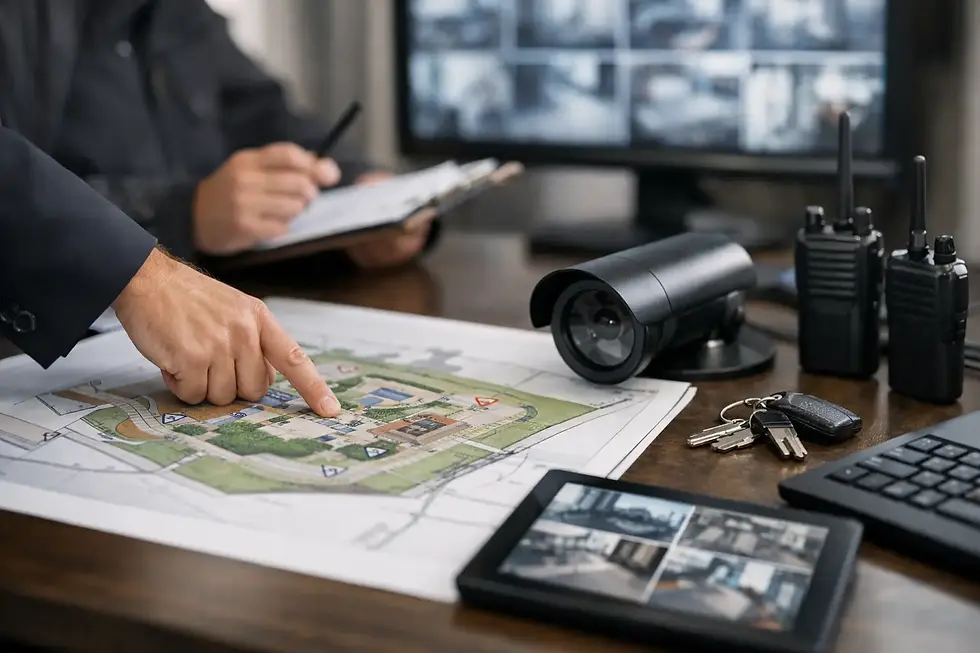
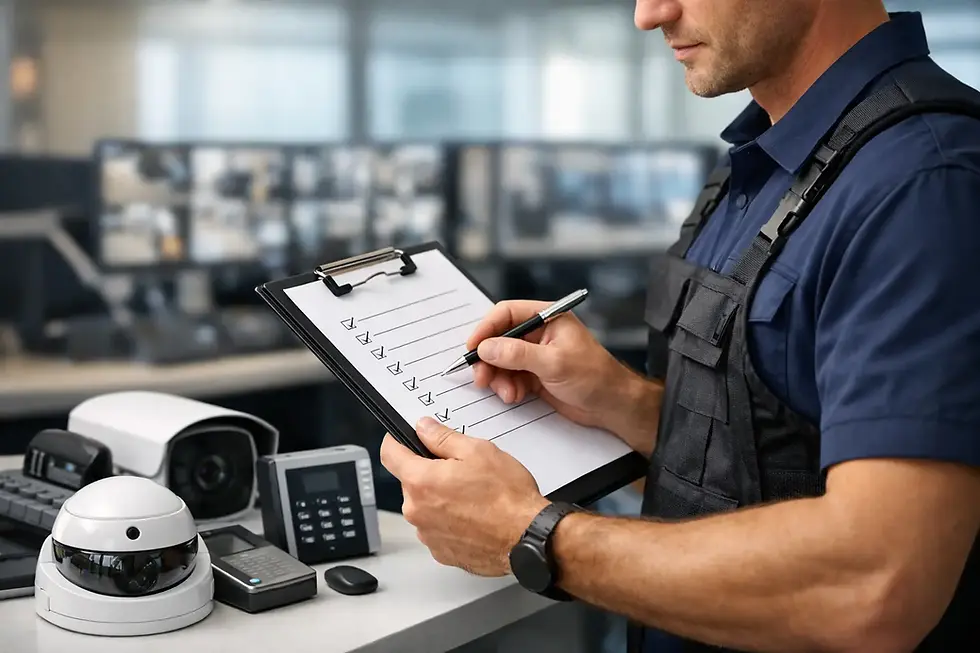
A good provider should do more than supply cameras. They should assess the site, understand the risks, recommend appropriate equipment, install it correctly and configure the system for day-to-day use. That includes making sure remote viewing works properly, recording settings match your requirements, and camera coverage reflects how the site actually operates.
For commercial customers especially, ongoing support matters. Sites change. Access patterns change. Risk points shift. A system may need upgrades, extra cameras or integration with other security technologies over time. Working with a provider that can handle supply, installation, configuration and future changes gives you more control and fewer headaches.
When IP video systems are worth the investment
If you only want a basic visual deterrent, almost any camera may appear to do the job. If you need dependable surveillance that helps prevent loss, verify incidents and support operational oversight, quality matters. IP video systems are worth the investment when footage needs to be usable, access needs to be practical, and the system needs to grow with the property or site.
The best setup is not always the biggest one. It is the one designed around your actual security risks, your site conditions and how quickly you need the system deployed. When those pieces are aligned, surveillance becomes more than a recording tool. It becomes a working part of how you protect people, assets and daily operations.
If you are reviewing security for a home, business or exposed site, the smartest next step is not choosing a camera from a catalogue. It is working out what you need to see, when you need to see it, and what kind of system will still make sense six months from now.

Comments