
CCTV Installation Done Right
A camera mounted in the wrong spot can leave the exact blind spot you were trying to cover. That is why CCTV installation is never just about putting cameras on walls. It is about understanding how people move through a property, where risk actually sits, and how the system will perform after dark, in poor weather, and during the hours nobody is on site.
For homes, shops, warehouses, offices and temporary worksites across South East Queensland, the difference between a basic setup and a properly installed system is usually found in the details. Camera angle, lens choice, recorder settings, network stability, lighting conditions and remote access all affect whether footage is genuinely useful when something goes wrong. A system that only looks good on a spec sheet will not do much for asset protection.
What good CCTV installation actually involves
Effective CCTV installation starts well before the first bracket is fixed. The first step is identifying what the system needs to achieve. In some properties, the priority is clear facial identification at entry points. In others, it is broader perimeter coverage, number plate capture, after-hours movement alerts or integration with alarms and access control.
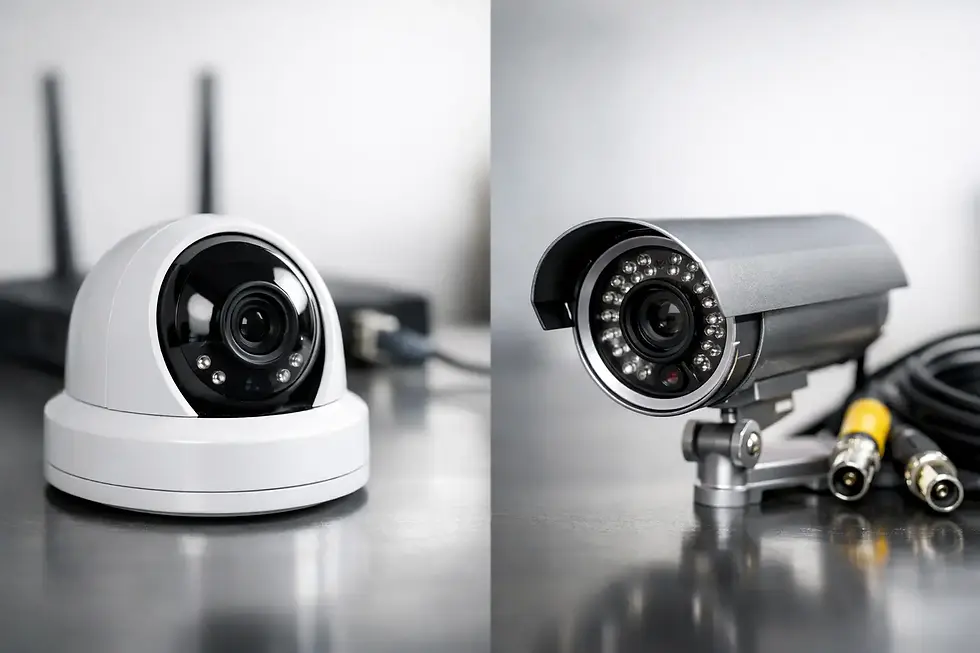
That matters because not every camera should do the same job. A wide-angle camera can give you general visibility across a car park or yard, but it may not provide enough detail to identify a person at distance. A tighter field of view can improve identification, but it covers less area. Good system design balances those trade-offs instead of assuming one camera type suits every location.
The installation itself also needs to account for practical conditions on site. Sun glare, backlighting, low light, reflective surfaces, roof height, cable pathways and network availability all influence the final result. In a retail setting, camera positions may need to avoid signage or display lighting. On a construction site or remote asset location, a fixed building mount may not be possible at all, which is where mobile or solar-powered surveillance towers can make more sense than permanent infrastructure.
CCTV installation for different property types
The right setup depends heavily on the environment. A home security system is usually designed around front entries, side access, garages and backyard visibility. Homeowners often want reliable mobile access, simple playback and confidence that parcels, vehicles and entry points are covered.
For retail and hospitality, the brief is different. Operators may need clear footage at tills, stockrooms, customer entrances and loading areas, with enough retention to review incidents after the fact. Staff safety, shrinkage and after-hours access become part of the equation.
Commercial and industrial sites usually require a broader approach. Warehouses, depots, workshops and business premises often need perimeter coverage, internal visibility, gate monitoring and integration with alarms, intercoms or access control. Here, CCTV installation is often tied to operational continuity as much as security. If a system fails, the impact is not just inconvenience. It can affect compliance, investigations and downtime.
Temporary and exposed sites present another challenge. Vacant blocks, civil works, equipment yards and infrastructure projects often need rapid deployment without waiting for fixed power and data. In those cases, tower-based surveillance provides a practical alternative. It gives site managers commercial-grade coverage with more flexibility, especially where risk is high and the site footprint changes over time.
Why camera placement matters more than camera count
One of the most common mistakes in CCTV installation is assuming more cameras automatically means better protection. It does not. Coverage gaps, poor angle selection and weak image quality can still leave a large system underperforming.
Placement should follow risk, not guesswork. Entrances and exits are obvious starting points, but they are not the whole picture. You also need to consider common approach paths, vulnerable assets, cash handling areas, vehicle access points and places where a person can linger without being seen clearly.
Height matters as well. Cameras installed too high often give a good overview but poor identification. Cameras mounted too low may be easier to tamper with. The right position depends on the purpose of the camera, the surrounding environment and whether deterrence, observation or evidence capture is the main objective.
Night performance is another area where placement can either help or hurt. A camera facing straight into external lighting, headlights or sunrise glare may produce less usable footage than expected. Professional installation takes those conditions into account before the system goes live.
Cabling, power and connectivity are part of the job
A reliable CCTV system depends on more than the cameras themselves. Recorder placement, power supply, cable protection and network configuration all need to be handled properly. Poor workmanship in these areas often causes the issues people notice later - intermittent dropouts, failed remote viewing, water ingress, low-quality recording or cameras going offline after weather events.
On an existing building, the installation plan needs to work with the structure rather than against it. That can mean using compliant cable routes, weather-protected terminations and sensible recorder locations that are secure but still serviceable. In commercial sites, it may also involve separating surveillance traffic from other network demands so the system remains stable.
For remote or temporary locations, traditional cabling may not be practical. This is where self-contained tower systems or solar-powered solutions become valuable. They reduce dependence on site infrastructure and can be deployed quickly where fixed installations would be too slow, too costly or simply not possible.
CCTV installation and monitoring - where the real value sits
Footage is useful after an incident. Monitoring can help while an incident is happening. That is a key difference.
For some sites, a standard recording setup is enough. A homeowner may mainly want recorded evidence and remote access to check activity around the property. A small business may need searchable footage for loss prevention or incident review. But higher-risk sites often need more than passive recording.
When CCTV installation is paired with professional monitoring, alerts can be assessed in real time and escalated when needed. That may include suspicious movement after hours, unauthorised access to restricted areas or activity around valuable plant and equipment. It is not the right fit for every property, but where theft, vandalism or repeated trespass are ongoing concerns, monitored surveillance can provide a stronger layer of protection.
Upgrades vs new CCTV installation
Not every project starts from scratch. Many properties already have cameras in place, but the system may be outdated, poorly configured or no longer fit for purpose. Grainy footage, dead cameras, limited storage, weak night vision and unreliable mobile access are all signs the system needs attention.
In some cases, an upgrade is the smarter option than a full replacement. Existing cabling might still be serviceable, or a recorder and a few key cameras may be all that is needed to bring the system up to standard. In other cases, patching an ageing setup only delays the inevitable. If the original design was poor, or the equipment cannot support current requirements, a new installation may provide better value over time.
That is why site assessment matters. The right recommendation depends on the condition of the current system, the security risks involved and how the property is used today, not how it was used five years ago.
Choosing a provider for CCTV installation
Security buyers usually want the same thing - a system that works properly without unnecessary complexity. That means choosing a provider that can handle design, supply, installation, configuration and support as one service rather than leaving gaps between equipment purchase and on-site delivery.
Experience across different environments also matters. Domestic systems, retail fit-outs, commercial upgrades and temporary site surveillance all bring different technical and operational demands. A provider should be able to explain what is suitable, what is excessive and where the trade-offs sit.
For many clients, speed matters too. If a site has already experienced theft, damage or repeated access issues, waiting weeks for a security response is not ideal. Practical providers understand that urgency and can recommend fixed systems or rapid-deployment options based on the actual risk and site conditions.
Pegasus Data Systems approaches CCTV installation the same way it approaches broader site protection - with a focus on tailored design, certified installation and practical outcomes that suit the environment.
The best security system is the one that matches the way your property operates, covers the risks that matter, and keeps working when you need it most. If your current setup leaves too much to chance, it is probably time to treat CCTV as a protection system, not just a set of cameras.


Comments