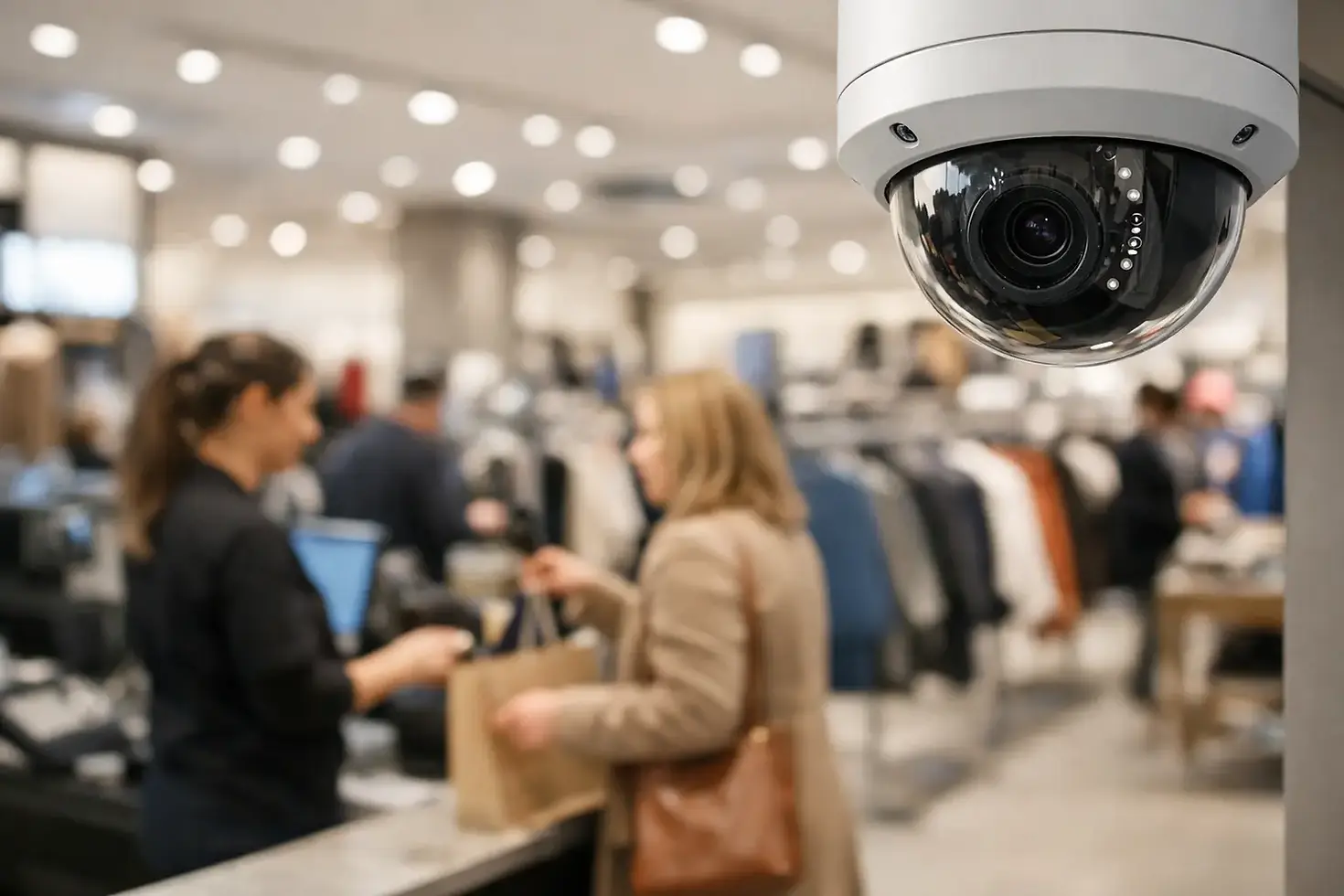
Retail Store Security Cameras That Actually Work
A single blind spot near the register, stockroom door or shopfront can cost far more than the camera system that would have covered it. For retailers, retail store security cameras are not just about recording incidents after the fact. They are part of day-to-day loss prevention, staff safety, incident response and operational control.
The difference between a useful system and a frustrating one usually comes down to design. Many stores already have cameras, but the footage is too grainy to identify faces, the angles miss key activity, or the system only covers the sales floor and ignores delivery access, rear entries and cash handling areas. A proper setup should match the way your store actually operates, not just tick a compliance box.
What retail store security cameras need to do
In a retail setting, security cameras have several jobs at once. They need to deter opportunistic theft, support investigations, protect staff during difficult interactions and provide reliable footage if police or insurers need evidence. For multi-zone stores, they also help managers keep an eye on entries, counters, aisles, storerooms and after-hours access without being physically present in every area.
That means image quality matters, but placement matters just as much. A high-resolution camera installed in the wrong spot will still miss the incident that matters. In practice, retailers need a system that captures clear facial detail at entry points, wider coverage across shopfloor movement, and tighter views around registers, safes, stock areas and rear doors.
There is also a practical business value. Good surveillance can help verify disputes, check delivery times, review incidents involving slips or damage, and identify recurring shrinkage patterns. Security should protect the business, but it should also support smoother operations.
Where retail store security cameras make the biggest difference
The front entrance is the first priority. This is where you want a camera positioned for usable facial capture, not just a general overview. Backlighting from glass shopfronts can make this harder than many operators expect, so camera choice and angle are important.
Point-of-sale areas are next. These cameras should give a clear view of transactions, cash handling and customer interactions. They can help with theft, refund disputes and aggressive behaviour, but only if the footage is sharp enough to review properly.
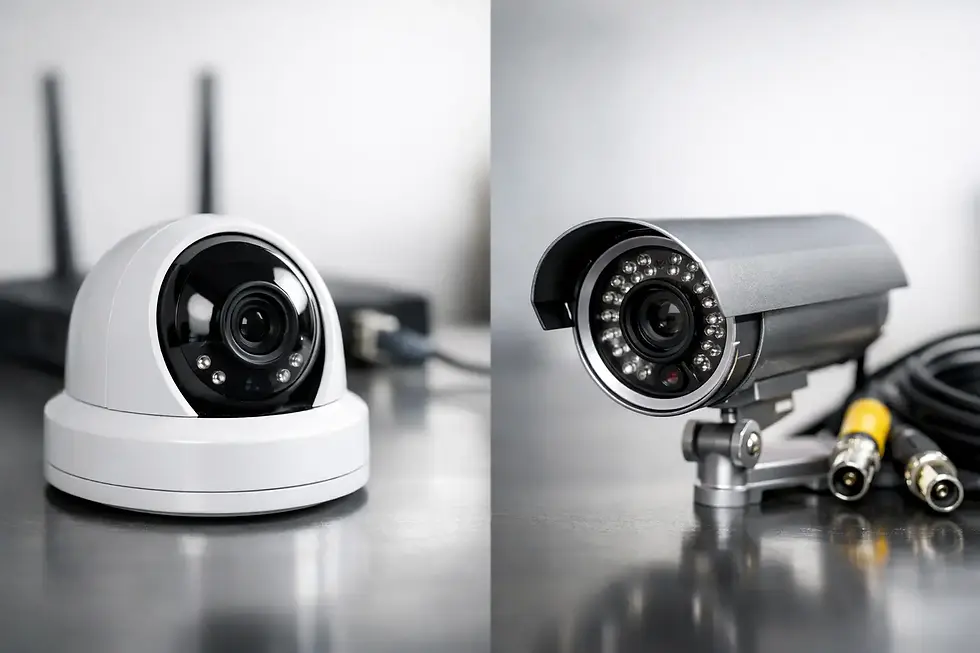
The sales floor needs broader coverage. Here, the goal is usually to track movement through aisles, identify suspicious behaviour and confirm how an incident unfolded. Depending on store size and layout, dome cameras often work well for discreet wide-area coverage, while turret or bullet cameras can be better where more directed views are needed.
Stockrooms, loading zones and rear access points are frequently overlooked, even though internal theft and unauthorised access often happen away from customers. If staff entries, delivery doors or rubbish collection points sit outside your main camera plan, you may be leaving one of the highest-risk areas uncovered.
For stores in exposed locations, external cameras also matter. Shopfront vandalism, after-hours loitering and break-in attempts often start outside. Weather-rated cameras with good low-light performance can provide valuable coverage around car parks, laneways, roller doors and side access.
Choosing the right system for your store
Not every retailer needs the same setup. A small boutique has different risks from a liquor outlet, a tobacconist, a pharmacy or a large-format store with multiple access points. The right camera system depends on store size, trading hours, stock value, known risk areas and whether you need remote viewing or monitoring.
For some stores, a straightforward fixed CCTV system is enough. For others, integrated protection makes more sense, especially when cameras are combined with alarms, access control or after-hours monitoring. If your store has frequent cash handling, high-value stock or a history of incidents, relying on cameras alone may leave gaps in your response.
This is where professional design is worth it. Consumer-grade kits can look cost-effective upfront, but they often fall short on coverage, retention, night performance and long-term reliability. A commercial-grade system is built for ongoing use, clearer evidence and easier expansion if your needs change.
Key features worth paying for
Resolution is important, but it should not be the only buying factor. Higher megapixel cameras can improve detail, but if bandwidth, storage or placement are poorly planned, that extra resolution may not deliver practical results.
Low-light performance is one of the most valuable features in retail environments. Stores often have mixed lighting, bright windows, shadows, after-hours darkness and variable external conditions. Cameras need to adapt without washing out faces or losing detail.
Remote access is another strong advantage for owners and managers. Being able to review live and recorded footage from a mobile or desktop can help with incident checks, opening and closing procedures, and site oversight across multiple locations. That said, remote access needs to be configured securely. Convenience should not come at the expense of cyber risk.
Retention time matters too. If footage overwrites too quickly, you may lose evidence before an issue is even discovered. The right storage period depends on your business, but many retailers need longer retention than they initially assume, particularly where stock discrepancies are only noticed days or weeks later.
Analytics can also be useful, though they are not always necessary. Motion alerts, line crossing and intrusion detection can strengthen after-hours protection, but poor setup can create false alarms. The best use of analytics is targeted and calibrated to the site, not switched on across everything by default.
Why installation quality matters as much as the cameras
A retail camera system is only as effective as its installation. Poor cable runs, badly positioned recorders, weak network setup or rushed commissioning can create problems that show up when you need the system most. Common issues include glare at the shopfront, obstructed views from signage, inadequate coverage of staff-only areas, and recorders with insufficient storage.
Professional installation should include more than mounting hardware on the ceiling. It should cover site assessment, camera positioning, recording setup, retention planning, remote access configuration and testing under real lighting conditions. If there are existing alarms or access control systems, integration should also be considered at the design stage.
For businesses that are refurbishing, relocating or opening a new store, this becomes even more important. Security should be planned around the fit-out, not added as an afterthought once sightlines, power access and ceiling layouts have already limited your options.
When retail stores need more than fixed CCTV
Some retail environments have risks that extend beyond the tenancy itself. External stock zones, temporary trade areas, overflow car parks or exposed loading points may need coverage that fixed building infrastructure cannot easily support. In these cases, mobile surveillance options can be worth considering.
For sites with temporary risk exposure or difficult external coverage, rapid-deployment security solutions can fill the gap without major infrastructure works. This is particularly relevant where after-hours activity, vandalism or repeated trespass are occurring outside the store footprint.
Pegasus Data Systems works with retailers and site operators who need that broader approach, combining CCTV, alarms, access control and, where required, mobile tower-based surveillance for exposed areas. The benefit is not just equipment supply. It is having the system designed, installed and configured around the real site conditions.
Common mistakes retailers make
One of the biggest mistakes is assuming more cameras automatically means better security. If the system has too many overlapping wide shots and not enough targeted coverage, key events still go uncaptured.
Another common issue is treating the stockroom as low priority. For many retailers, that is exactly where shrinkage, unauthorised access and handling disputes occur. Rear-of-house coverage often delivers more value than an extra general camera on the sales floor.
Retailers also underestimate maintenance. Dirty lenses, incorrect time settings, failed hard drives and outdated firmware can all reduce system performance. Cameras should be checked regularly, not only after an incident.
Then there is the problem of buying for price alone. Cheap systems often create expensive outcomes later - poor footage, missed events, early replacement and limited support when something goes wrong.
A better way to think about camera coverage
The most effective retail store security cameras are part of a wider protection plan. They should support how your team opens, trades, handles stock, secures cash and locks up at night. That may mean a simple, well-positioned CCTV setup for one store, or a more integrated solution with alarms, access control and monitoring for a higher-risk site.
The right answer depends on your layout, your risk profile and how much certainty you need when an incident occurs. If your current system cannot clearly show who entered, what happened and where the vulnerability sits, it is probably time to review it properly.
A retail security system should give you confidence on a quiet Tuesday morning just as much as during a late-night incident. When the cameras are selected and installed with purpose, they do more than record problems - they help prevent them.


Comments