
What a Remote Video Monitoring Service Does
A fence line alarm at 2:13 am means very little if no one sees what caused it. That is where a remote video monitoring service changes the outcome. Instead of relying on recorded footage after the fact, live camera feeds, alerts and site rules are actively reviewed so suspicious activity can be assessed and acted on while it is happening.
For property owners, site managers and business operators, that difference matters. Theft, vandalism, trespass and after-hours access rarely happen at convenient times, and they do not always occur at sites with permanent guards. A monitored camera system gives you another layer of protection - one designed to identify real incidents early, reduce false alarms and support a faster response.
How a remote video monitoring service works
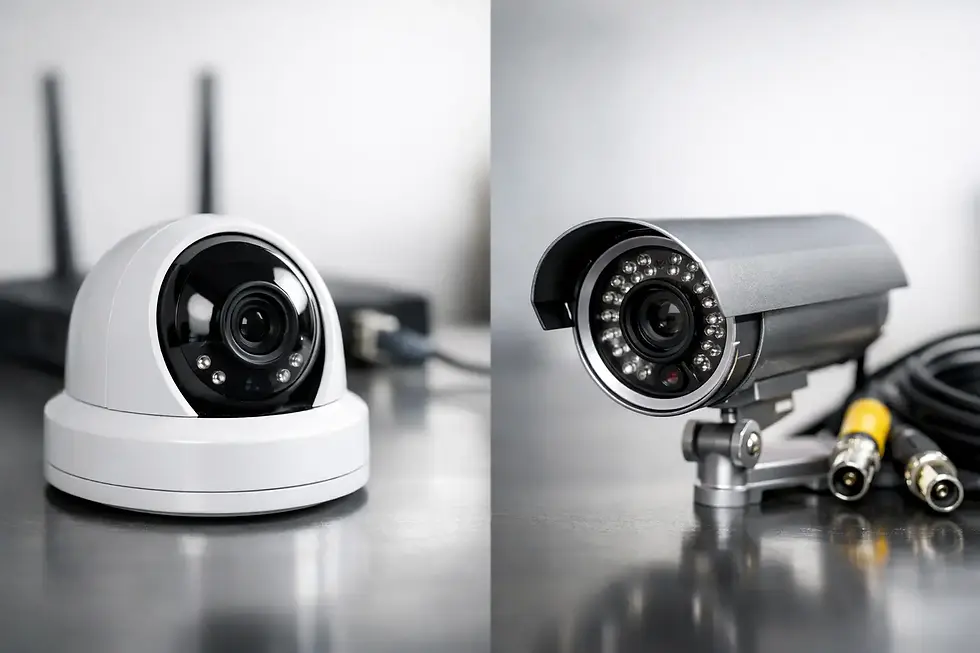
At its core, a remote video monitoring service combines surveillance hardware, communications, software rules and human oversight. Cameras are installed to cover entry points, perimeters, stock areas, car parks, compounds or temporary work zones. Those cameras feed into a system that can generate alerts based on motion, line crossing, intrusion zones, schedules or linked devices such as alarms and access control.
When an event is triggered, trained operators review the live footage to confirm whether it is a genuine threat, routine site activity or a harmless false alarm. That verification step is what makes monitoring valuable. Wind in a tree, wildlife, passing headlights or authorised staff movement should not trigger the same response as someone climbing a fence or entering a restricted area after hours.
Once an incident is verified, the response depends on the site plan. It may involve issuing an audio warning through a speaker, notifying a keyholder, escalating to security personnel or contacting emergency services when required. The point is not just to watch. It is to turn surveillance into an active protection measure.
Why businesses and sites move beyond recording only
Many properties already have CCTV, but recording alone is often reactive. Footage can help with investigations, insurance claims and internal reviews, but it does not stop someone loading tools into a ute at midnight. If nobody is watching and no alert reaches the right person in time, the system may only confirm what was lost.
Remote monitoring shifts CCTV from evidence collection to incident response. That can be especially useful for locations that are exposed after hours, difficult to staff or temporary by nature. Construction sites, laydown yards, vacant properties, transport depots, retail premises and commercial buildings all face periods where risk is high and on-site presence is low.
There is also a cost and practicality factor. For some sites, full-time guarding is not realistic. For others, existing alarm systems generate too many false activations to be useful. A monitored camera solution can sit between those extremes, providing stronger oversight without the ongoing burden of permanent physical attendance across every location.
Where a remote video monitoring service delivers the most value
The strongest results usually come from environments where visibility, response time and deterrence all matter.
Temporary sites are a clear example. A civil project, construction site or event setup may not have fixed infrastructure, reliable power or established buildings to secure. In those cases, mobile surveillance towers with remote monitoring can provide rapid deployment and broad coverage without waiting for permanent works.
Commercial premises also benefit, particularly when there are vulnerable access points, loading areas or after-hours deliveries. Retail operators may use monitoring to oversee entries, storerooms and car parks. Industrial and warehouse facilities often need perimeter protection, gate visibility and oversight of high-value assets. Residential applications can also suit remote monitoring where larger properties, access concerns or repeated incidents justify a more active approach than a stand-alone recorder.
The best fit depends on risk, site layout and operating hours. Some locations need overnight monitoring only. Others require 24-hour oversight because they have multiple shifts, sensitive inventory or repeated trespass issues.
The equipment matters as much as the monitoring
A monitoring plan is only as effective as the system behind it. Camera placement, lens selection, lighting conditions, network reliability and power stability all affect what operators can actually see. If a camera is too high, too wide or pointed into glare, verification becomes harder. If the connection drops out, live response disappears when it is needed most.
That is why proper design matters. A remote video monitoring service should be built around the site, not just attached to whatever cameras happen to be in place. Entry and exit routes, blind spots, fencing, vehicle movement, public interfaces and expected activity patterns all need to be considered during setup.
For exposed or temporary locations, tower-based systems can be particularly effective. A solar-powered camera tower can deliver rapid deployment, elevated views and independent operation where trenching, mains power or fixed poles are impractical. That makes it well suited to asset protection on short-term sites and changing work zones.
Reducing false alarms without missing real incidents
One of the biggest frustrations with basic alarm setups is noise - too many activations that do not reflect a real threat. When that happens, teams start ignoring alerts or changing settings until the system becomes less useful.
Good monitoring is about calibration as much as coverage. Detection zones can be tailored to actual site boundaries. Schedules can distinguish between approved daytime activity and suspicious overnight movement. Analytics can be tuned to identify people and vehicles rather than every moving object. Human review then adds a final layer of common sense before escalation.
There is always a balance to strike. Set the system too tightly and you risk nuisance alerts. Set it too loosely and you may miss behaviour that should be reviewed. A professional setup usually performs better because it is adjusted to the site conditions, then refined over time as patterns become clearer.
What to ask before choosing a monitored solution
Not every monitoring arrangement delivers the same result. Some providers focus mainly on software alerts. Others provide a more complete service that includes design, installation, configuration and ongoing support. For most property and facility decision-makers, the practical questions matter more than marketing language.
Start with response. Who reviews the footage, and what happens after an event is confirmed? Then look at coverage. Are the cameras positioned for verification, or only broad observation? Ask how the system handles low light, weather, connectivity and power loss. If the site is temporary, ask how quickly the solution can be deployed and removed.
You should also look at how the monitoring rules are customised. A warehouse, school, vacant block and construction compound do not have the same movement patterns or security priorities. A standard template may leave gaps. A tailored plan is more likely to produce useful alerts and fewer distractions.
Pegasus Data Systems works with this practical approach, combining commercial-grade surveillance equipment, certified installation and optional monitoring for clients who need protection that is matched to the site rather than forced into a generic package.
Remote monitoring is not one-size-fits-all
The right solution depends on what you are protecting and how the site operates. A homeowner may want selective after-hours monitoring around gates and entries. A retail operator may focus on rear access, cash handling areas and out-of-hours intrusion. A project manager may need a solar tower watching plant, materials and perimeter access on a changing site footprint.
There are trade-offs. More coverage can mean more cameras, but not every angle needs active monitoring. Live audio warnings can be effective, but they need to suit the environment and local operating requirements. Cloud access, mobile notifications and integrations with alarms or access control can strengthen the system, but only if they support a clear response process.
That is why the best outcomes usually come from a site assessment first. Security works better when the equipment, monitoring rules and escalation steps are built around actual risks instead of assumptions.
A stronger role in prevention, not just evidence
The most useful remote monitoring setups do more than collect footage for later review. They create a visible deterrent, improve awareness and give you a better chance of intervening before loss or damage escalates. For businesses, that can mean fewer disruptions, less downtime and better protection of stock, plant and infrastructure. For residential properties, it can mean greater confidence that unusual activity is being seen and assessed when it happens.
Security decisions are rarely about buying a camera on its own. They are about reducing exposure in a way that fits the property, the budget and the level of risk. If your site is vulnerable after hours, spread across a large area or too temporary for fixed infrastructure, a remote video monitoring service is often a more practical and effective step than relying on recording alone.
The real value is simple: when something happens, someone is there to see it and act on it.


Comments