
Ajax Experts at Pegasus Data Systems
- pegasusdatasystems
- 2 days ago
- 6 min read
A security system only proves its value when something goes wrong at 2 am, on a wet weekend, or while your site is half built and unattended. That is exactly why property owners and operators look for Ajax experts at Pegasus Data Systems - not just to buy equipment, but to get a system configured properly, installed professionally, and matched to the risks on site.
Ajax is a strong fit for customers who want more than a basic off-the-shelf alarm. It offers a modern intrusion platform with smart detection, reliable communication, and a clean user experience. But the product alone is only part of the outcome. The real result depends on how well the system is planned, where devices are placed, how notifications are set, and whether the final setup suits the way the property actually operates.
Why Ajax suits modern security requirements
For homes, retail shops, offices, and light commercial sites, Ajax sits in a practical middle ground. It delivers a more capable and scalable solution than entry-level consumer alarms, without forcing every customer into a complex enterprise platform that is oversized for the job.
That matters because security needs vary widely. A homeowner may want a straightforward alarm with app control and room-by-room detection. A retail operator may need after-hours protection for entry points, stock areas, and a rear delivery zone. A commercial premises might require intrusion detection tied into access control, CCTV verification, and a response plan that reduces false alarms.
Ajax is well suited to these scenarios because it can be tailored. Devices can be selected to match the environment, whether that means internal motion detection, perimeter protection, door contacts, glass break detection, sirens, panic functions, or environmental sensors. The advantage is not just flexibility. It is the ability to build a system around real use, rather than forcing the site to fit a generic alarm package.
What Ajax experts at Pegasus Data Systems actually do
Anyone can read a product spec sheet. Expertise shows up earlier than that, at the point where someone asks the right questions. What needs protecting? When is the property occupied? Which doors are used daily? Is there a blind spot near the side gate? Does the alarm need to work alongside existing CCTV or a gate intercom?
Ajax experts at Pegasus Data Systems focus on those operational details because they affect performance. A well-designed system should feel straightforward for the customer while still covering the real risks. That means selecting the correct devices, avoiding weak detector placement, setting up sensible user permissions, and ensuring alerts go to the right people at the right time.
Professional installation also reduces the small mistakes that cause larger problems later. A detector placed too close to environmental interference can become unreliable. A poorly considered entry delay can frustrate staff and lead to bad habits. App setup that is rushed or unclear can leave key users unsure how to arm, disarm, or respond to a trigger. None of these are major issues on paper, but in practice they determine whether the system is trusted and used properly.
Alarm design is never one-size-fits-all
The phrase customised security gets overused, but in alarm work it genuinely matters. Two buildings with the same floor area can need very different coverage. One may have a simple front entry and predictable occupancy. The other may have multiple access points, shared tenancy, late staff movement, and stock areas with a higher theft risk.
That is why proper design comes first. For a residence, the priority may be perimeter protection and simple mobile control. For a retail business, the focus may be early detection at likely entry points and strong internal coverage after hours. For a temporary site office or compound, the alarm may need to support a broader protection strategy that also includes cameras, access restrictions, and external deterrence.
There is always a balance to strike. More devices can increase coverage, but overcomplicating a system can make it harder to manage. Tighter sensitivity can improve detection, but settings still need to reflect the environment to avoid nuisance events. Good advice is not about selling the biggest package. It is about matching the system to the site, the risk profile, and the people who will use it daily.
Where Ajax works best in homes and businesses
Ajax is particularly effective in properties that want reliable intrusion protection with straightforward control from a mobile app. For homes, that often means families who want dependable detection at doors, windows, and internal zones without the clutter and inconsistency of low-grade DIY gear.
For business operators, Ajax is often a strong option where there is a need for professional alarm coverage without the overhead of a larger integrated building management setup. Shops, offices, warehouses, medical suites, and mixed-use premises can all benefit if the design is done properly.
It can also suit customers upgrading older alarm infrastructure. In many cases, the issue is not that they lack security altogether. It is that the current system is dated, awkward to use, or no longer aligned with the way the site runs. An upgrade can improve reliability, simplify daily operation, and bring the alarm into line with current expectations around app access, user control, and event visibility.
Integration matters more than features alone
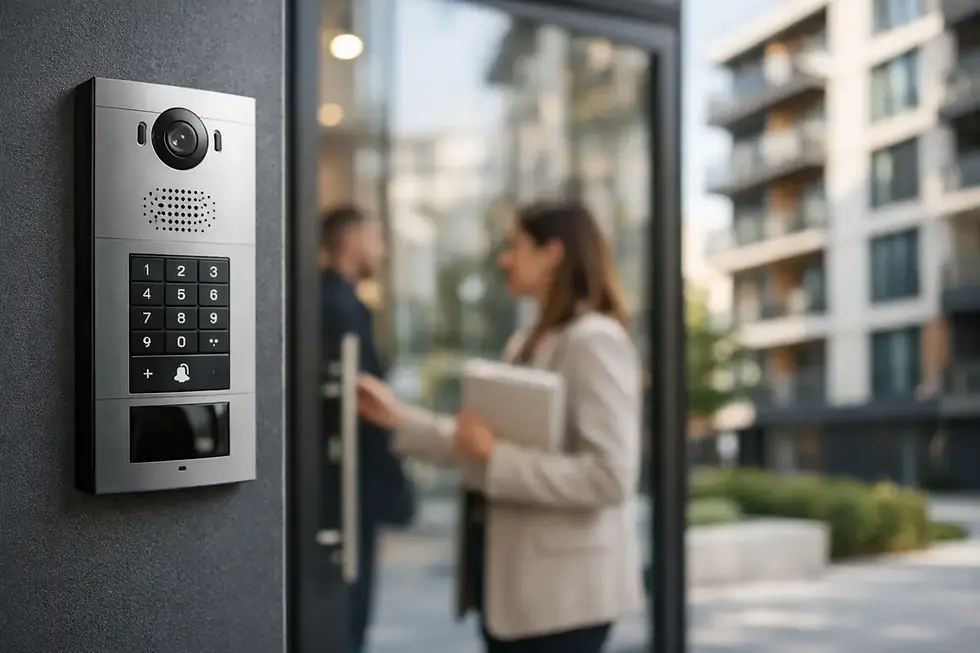
A strong alarm system should not sit in isolation if the site needs layered security. In many environments, the best outcome comes from combining alarm protection with CCTV, access control, intercoms, or monitoring.
This is where practical experience matters. If an alarm trigger occurs on a commercial site, camera coverage may help confirm what caused it. If staff and contractors move through restricted areas, access control may reduce risk before the alarm even becomes relevant. If a location is exposed or temporary, a broader solution may include surveillance towers for visual coverage beyond the building envelope.
The point is not to make every project bigger than it needs to be. It is to avoid treating the alarm as the entire security plan when the site may call for more than one layer. Some customers need a standalone Ajax system and nothing else. Others need a package that works across multiple technologies. The right answer depends on the location, asset value, hours of use, and level of exposure.
Installation and support make the difference over time
Security decisions are often made quickly after an incident, a near miss, or a change in site conditions. That urgency is understandable, but speed should not come at the expense of setup quality. Fast installation is valuable when it is backed by correct configuration, commissioning, and handover.
A professional handover is especially important with Ajax because the user experience is one of its strengths. Customers should know how to arm and disarm the system, manage notifications, respond to alarms, and understand what each device is doing. Without that clarity, even a good system can be underused.
Support also matters after installation. Businesses change staff. Homes are renovated. Sites expand. Risk points move. A security system should be able to adapt without forcing a full replacement every time something changes. That is one reason professionally specified systems offer better long-term value than rushed consumer-grade purchases. You are not just buying hardware. You are putting a service structure around the hardware so it continues to do its job.
Choosing Ajax experts at Pegasus Data Systems
When customers look for Ajax experts at Pegasus Data Systems, they are usually trying to avoid two problems at once. The first is under-protection - a system that looks fine on paper but leaves gaps where it matters. The second is unnecessary complexity - paying for devices, features, or layouts that do not improve the actual security outcome.
A dependable provider helps narrow that gap. The process should be clear. Assess the site, identify the risks, recommend the right equipment, install it correctly, configure it properly, and provide support if the site changes or the system expands. That is the difference between simply supplying an alarm and delivering a workable protection solution.
For South East Queensland customers, that practical approach matters whether the project is a home upgrade, a retail fit-out, an office alarm replacement, or part of a broader security rollout. Good equipment is essential, but confidence in the result comes from knowing the system has been designed and installed by people who understand how security works on real sites.
If you are considering Ajax, the right place to start is not with a box of devices. It is with a clear view of what needs protecting, how the property operates, and what level of response you expect when the alarm goes off.


Comments