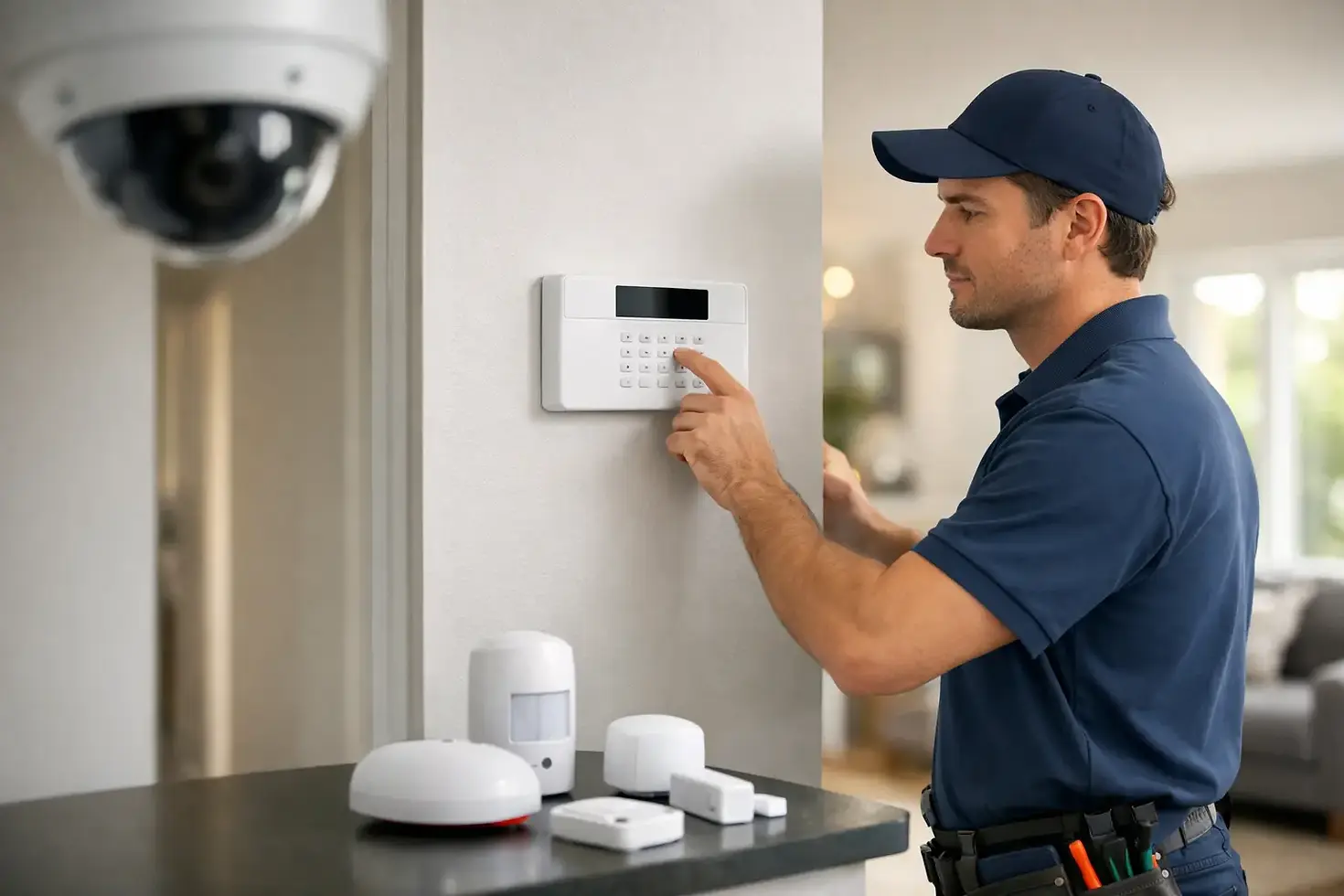
Home Alarm System Installation Done Right
A siren on its own does not secure a property. If sensors are poorly placed, entry points are missed, or the system is difficult to arm and disarm, a home alarm system installation can create a false sense of security instead of real protection.
For homes across South East Queensland, the difference is usually not the badge on the keypad. It is whether the system has been designed around the way the property is actually used. Family routines, pets, side access, detached garages, blind spots and after-hours vulnerability all matter. A proper installation starts with those practical realities, not a box pulled off a shelf.
What a home alarm system installation should achieve
A well-planned alarm system has one job - detect unauthorised access early and trigger the right response. That may be a local siren, a notification to your mobile, or connection to ongoing monitoring. The right setup depends on the level of risk, how often the property is vacant, and whether you want the system to work as a stand-alone alarm or as part of a broader security solution.
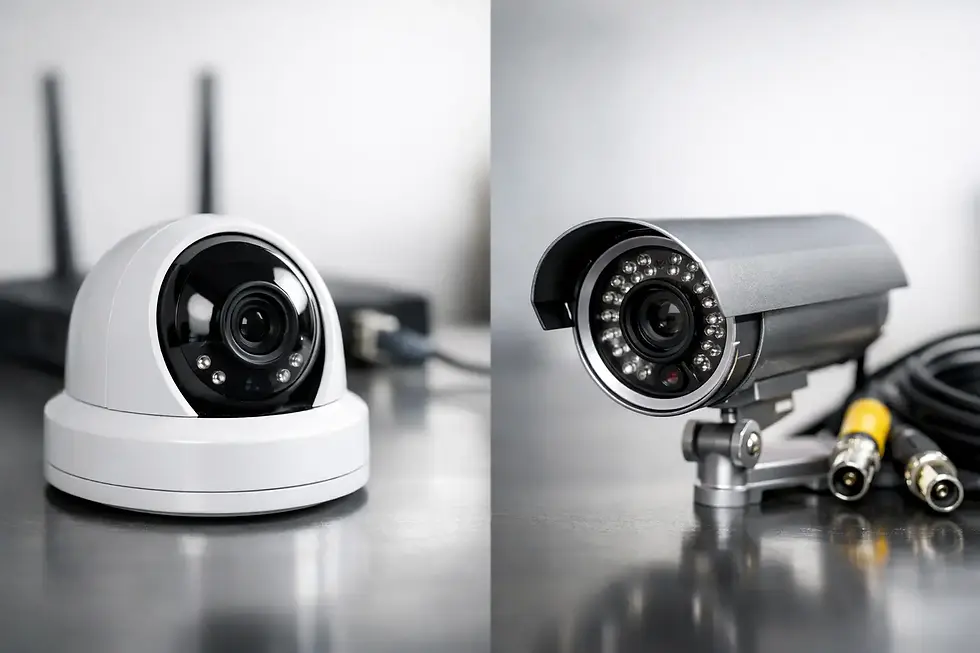
For many homeowners, the best result comes from combining alarm detection with CCTV. An alarm tells you that something has happened. A camera system helps confirm what happened, where it happened and whether it requires an immediate response. If the property has a front boundary, side gate, workshop, pool area or separate tenancy-style access, that extra visibility becomes even more valuable.
Good installation is also about reliability in day-to-day use. If the alarm causes repeated false activations, family members stop trusting it. If arming the system feels complicated, people stop using it consistently. The system should be simple enough to use every day and strong enough to perform when it matters.
Planning home alarm system installation around the property
No two homes present exactly the same security risks. A small unit with a single front entry needs a different approach from a freestanding home with side access, a rear patio and a detached shed. Before equipment is selected, the site should be assessed in terms of entry points, movement paths and likely vulnerabilities.
Doors are an obvious starting point, but windows, sliding doors and secondary access points often deserve just as much attention. In many break-ins, intruders do not choose the most visible route. They use side paths, rear yards and dark sections of the property where they are less likely to be noticed. Sensor placement needs to reflect that.
Internal layout also affects performance. Open-plan living areas can allow broader motion coverage with fewer devices, while larger homes may need zoning so occupied areas can remain active without triggering the full system. This matters for households where someone is often home, where people work different shifts, or where certain spaces need separate protection.
Pets are another common factor. A system can often be configured to reduce false alarms from animal movement, but that depends on choosing the right detectors and positioning them properly. If this is overlooked during installation, the result is frustration rather than protection.
Wired or wireless depends on the site
There is no single correct answer in the wired versus wireless discussion. Wired systems can offer strong long-term stability and are often a good fit during new builds, major renovations or when cabling paths are accessible. Wireless systems can be highly effective for established homes where running cable would be disruptive or unnecessary.
The better option depends on building construction, access to roof spaces, the scale of the property and future expansion plans. What matters most is not choosing a trend. It is choosing a system that suits the building and can be maintained properly over time.
Alarm-only or integrated security
Some homes need a straightforward alarm with perimeter and internal detection. Others benefit from a more integrated setup that includes CCTV, intercoms or access control at gates and entry points. This is especially relevant for larger properties, high-value homes, and residences that operate partly like a business site with deliveries, contractors or multiple users coming and going.
An integrated solution provides clearer oversight, but it also needs proper configuration. More devices do not automatically equal better security. They need to work together in a way that supports fast response and simple operation.
Where installation quality makes the biggest difference
Most alarm issues do not come from the concept of the system. They come from the execution. Poorly mounted sensors, weak communication setup, incorrect zoning and rushed commissioning all reduce effectiveness.
Entry doors should be protected in a way that accounts for how they are used. Main living areas need coverage without creating nuisance triggers. Garages and internal access doors should not be treated as an afterthought, especially when they provide a direct path into the house. Even the control panel location matters - it should be accessible for authorised users without being positioned where an intruder can immediately interfere with it.
Commissioning is just as important as physical fitting. Every sensor, code, notification path and user profile should be tested properly. Homeowners should know how to arm the system in different modes, what happens during an alarm event and how to manage everyday use. A system that is never explained clearly is far less likely to be used properly.
Monitoring, alerts and response options
Not every household needs the same response model. Some owners are comfortable receiving app alerts and managing incidents themselves. Others prefer the added assurance of monitored response, particularly if the home is vacant during business hours, frequently left empty during travel, or contains assets that would be difficult to replace.
This is where trade-offs matter. App-based notification offers convenience and direct visibility, but it still relies on the owner being available, connected and able to act. Professional monitoring adds another layer of response, though it comes with an ongoing service commitment. The best choice depends on risk tolerance, schedule and how quickly someone can attend the property if an alarm occurs.
For some homes, especially those with repeated after-hours exposure or isolated boundaries, alarm monitoring works best alongside visible surveillance and external deterrence. Security is strongest when detection, verification and response are aligned.
When to upgrade instead of starting over
A full replacement is not always necessary. If an existing alarm system has sound core infrastructure, an upgrade may deliver a better result at a lower cost. This could involve replacing outdated sensors, adding communication modules, improving keypad access, or integrating the alarm with cameras and remote access.
That said, some legacy systems are no longer worth extending. If parts are unreliable, user control is limited, or the system cannot support current monitoring and notification requirements, replacement often makes more sense. The decision should come down to performance, supportability and whether the existing setup still matches the property’s risk profile.
Choosing the right installer matters as much as the equipment
Security equipment is only one part of the outcome. The installer’s approach determines whether the system is tailored, tested and configured for real conditions. A dependable provider will assess the property properly, explain options clearly and recommend a setup based on risk rather than guesswork.
That is particularly important when a home needs more than a basic alarm. If CCTV, intercoms, gates or site-wide coverage are part of the broader requirement, the provider should be able to deliver a joined-up solution rather than a patchwork of separate products. Pegasus Data Systems works in that end-to-end model, supplying professional equipment, certified installation and optional monitoring to suit residential and commercial environments.
Price will always be part of the conversation, but the cheapest quote is rarely the most complete. It pays to ask what has actually been allowed for - sensor coverage, communication setup, user training, configuration, testing and future scalability all affect value.
A better result starts with the right brief
If you are considering home alarm system installation, start by thinking less about gadgets and more about exposure. Which parts of the property are easiest to access? When is the home most vulnerable? Do you need simple intrusion detection, or a broader setup that helps confirm events and support response?
Those answers shape everything that follows. A properly installed alarm system should fit the property, support the way people live in it and provide clear protection when risk rises. When that happens, security becomes easier to rely on - and far more useful when it counts.


Comments