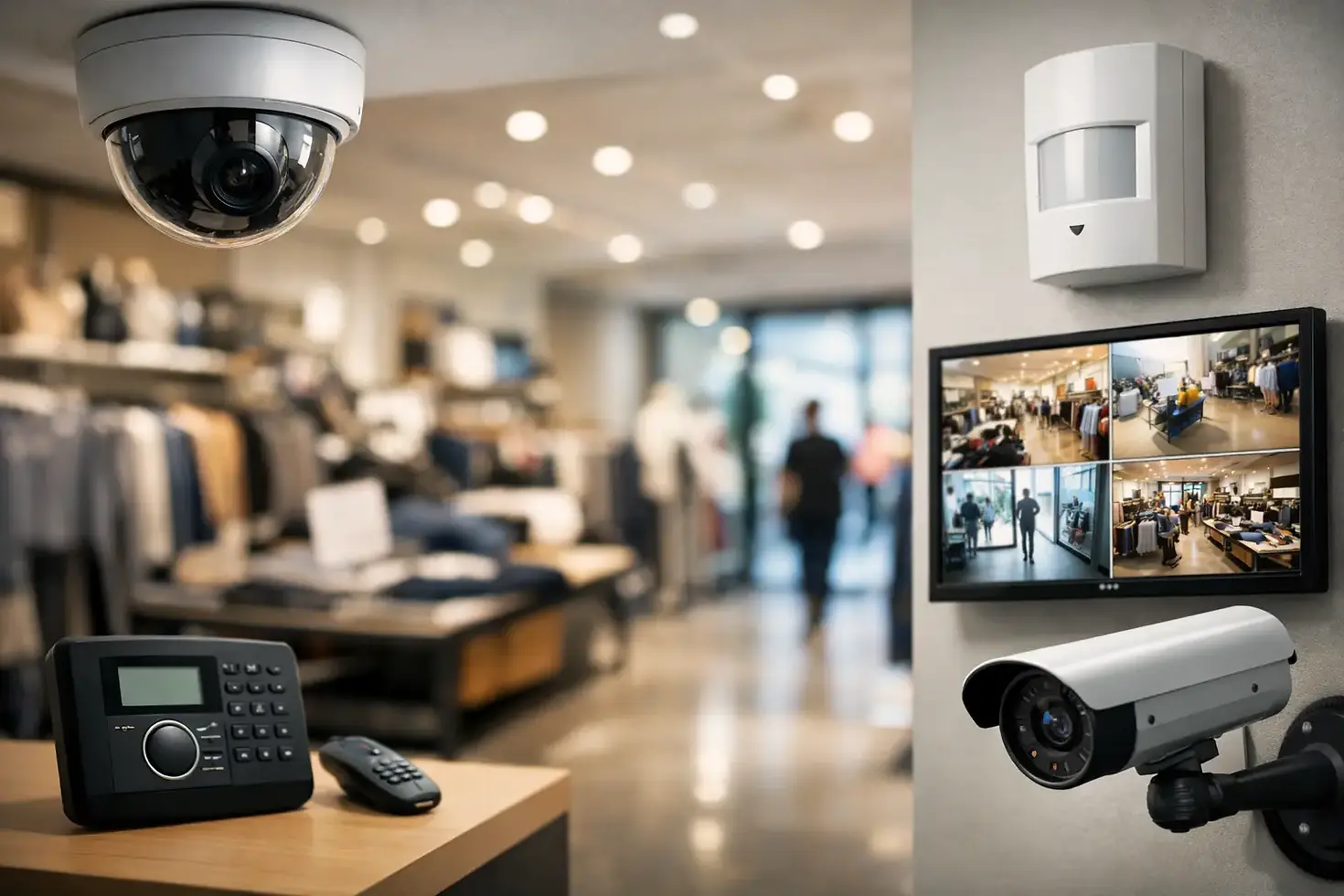
Best Security Systems for Shops in 2026
A shop that loses stock after hours rarely has just one security problem. It usually has several - blind spots at the entry, no reliable alarm response, poor staff access control, or cameras that record footage no one checks until it is too late. The best security systems for shops are the ones built around how the site actually operates, not a box picked off a shelf.
Retail security works best when it is layered. A single camera over the counter might help identify an incident, but it will not stop unauthorised access through a rear door or help a manager know whether an alarm activation is genuine. For most shops, the right approach combines surveillance, intrusion detection, access control and, where needed, professional monitoring.
What the best security systems for shops include
There is no single setup that suits every retailer. A suburban convenience store, boutique clothing shop, pharmacy and large-format showroom all have different risk profiles. What matters is matching the system to stock value, trading hours, staffing patterns, entry points and the level of after-hours exposure.
For most retail environments, a well-designed system starts with commercial-grade CCTV. High-definition cameras should cover the main entry, counter, aisles, cash handling areas, exits and any rear loading or service access. Image quality matters, but camera placement matters more. A poorly positioned 8MP camera can be less useful than a correctly installed unit that captures faces, transactions and movement paths clearly.
An alarm system is the next core layer. This should do more than make noise. Properly configured intrusion detection can protect doors, windows, stock rooms and internal zones, giving shop owners a clear picture of where a breach starts. If the premises is empty overnight, alarm monitoring can reduce response delays and avoid relying solely on staff to react to notifications on their mobile.
Access control is often overlooked in retail, especially in smaller shops. Yet it can make a major difference where there are staff-only zones, medicine storage, stock rooms, offices or shared tenancy access. Replacing keys with managed credentials improves accountability and removes the problem of copied or unreturned keys.
Intercoms can also play a role, particularly for restricted entries, back-of-house access and sites with delivery management needs. They are not essential for every shop, but in the right environment they add a practical control point.
CCTV is still the backbone of shop security
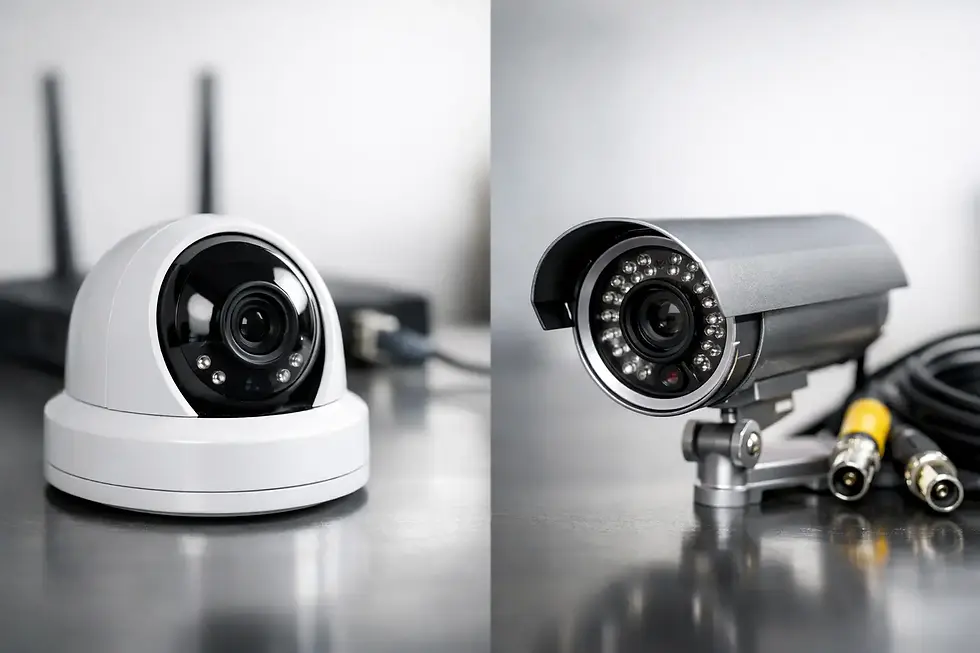
If you are comparing the best security systems for shops, CCTV will almost always be central to the solution. The question is not whether to install cameras, but what type of system will give useful coverage and dependable evidence.
Retailers should be cautious about consumer-grade kits that promise quick setup but struggle with low light, remote access reliability or recording retention. A shop needs footage that can be reviewed easily, exported quickly and trusted when an incident occurs. Commercial-grade CCTV systems are built for that job, with better sensors, recording hardware and integration options.
Good shop CCTV should cover more than theft at the till. It should also help with after-hours break-ins, delivery disputes, staff safety incidents and false claims. In some stores, analytics such as line crossing or intrusion alerts can add value, particularly for rear laneways, side entries or enclosed common areas. That said, analytics only help when the cameras are installed and configured properly. Otherwise, they can create nuisance alerts that get ignored.
Remote viewing is another practical requirement. Owners and managers often want live and recorded access from their mobile or office. That feature is useful, but it should not replace a properly managed system design. Remote access is an operational convenience, not the whole security strategy.
Alarms matter most when response is built in
A shop alarm is only as effective as the response behind it. If an alert goes to one busy owner who happens to be asleep, interstate or in a meeting, the system has a weak point. That is why many retail operators choose monitored alarm systems rather than relying on self-managed notifications alone.
Monitored systems can support faster verification and escalation. They are especially valuable for businesses with irregular trading hours, high-value stock, or a history of attempted break-ins. For some sites, this can also reduce the burden on staff who would otherwise be expected to assess alarm activations themselves.
There is a trade-off, of course. Monitoring adds an ongoing service cost. For low-risk shops with strong physical security and consistent local oversight, self-monitoring may be enough. But where after-hours exposure is high, the extra protection is often justified.
Access control gives shops better control of people movement
Retailers tend to think about customers first, but many losses and security gaps occur in staff-only areas. Stock rooms, manager offices, server cabinets, medicine storage and rear access doors all create risk if entry is not controlled properly.
Access control gives decision-makers a cleaner way to manage who can go where and when. If a staff member leaves, credentials can be removed immediately. If cleaners or contractors need limited access, permissions can be timed and restricted. That is much more secure than passing around keys and hoping they come back.
For multi-site operators, access control also supports consistency. You can apply the same standards across locations instead of relying on each store to manage access informally.
Don’t ignore the outside of the premises
Many shop security systems focus heavily on the sales floor and forget the external risk areas. Rear laneways, shared loading bays, side access paths and detached storage zones are common weak points. These spaces are often less visible, less lit and less frequently checked.
External cameras, lighting integration and perimeter detection can make a clear difference here. In some cases, especially where a site is exposed or temporary, fixed infrastructure may not be the best fit. Mobile surveillance options such as solar-powered CCTV towers can be useful for overflow retail sites, pop-up locations, car parks, vacant tenancies awaiting fit-out, or locations with ongoing external theft and vandalism issues.
That kind of deployment is not necessary for every suburban shopfront. But for higher-risk or unusual retail environments, rapid-deployment surveillance can close a gap that standard building-mounted cameras do not cover well.
The best system depends on your shop type
A small boutique may need a compact but high-quality CCTV and alarm setup with clear front-entry coverage, till visibility and simple remote access. A pharmacy may need stronger access control for restricted storage and higher expectations around evidence quality. A liquor store or convenience outlet trading late will usually need stronger external coverage, monitored alarms and better deterrence at entries and service points.
Larger retail premises introduce more complexity. Multiple staff doors, customer flow patterns, receiving areas and higher foot traffic all increase the chance of blind spots or unmanaged access. These sites often benefit from integrated systems rather than separate products installed over time.
This is where a professional site assessment matters. The best result usually comes from designing around real conditions - lighting, line of sight, ceiling height, network capacity, staff movement and existing infrastructure - rather than guessing from a floorplan.
Installation quality affects the result more than most buyers expect
A strong hardware brand helps, but design and installation quality have just as much impact. Camera angle, lens choice, recorder sizing, storage duration, alarm zoning and app setup all influence whether the system performs properly in day-to-day use.
Retailers often inherit problems from piecemeal upgrades. One contractor installs a few cameras, another adds an alarm later, and no one addresses the overall security plan. The result is common: poor coverage, multiple apps, unreliable notifications and no clear support pathway when something goes wrong.
A tailored installation avoids that. It also makes future upgrades easier, whether you need more cameras, better after-hours coverage or integration with access control. For shops that want one provider to handle supply, installation, configuration and ongoing support, that end-to-end model usually saves time and reduces friction.
What to look for before you approve a quote
Price matters, but it should not be the only filter. Ask what areas are covered, how long footage is stored, whether night performance suits your lighting conditions, what happens when the alarm activates, and whether the system can expand later. Also ask who installs it, who configures the apps and whether support is available after handover.
A cheaper system can become more expensive if it misses incidents, creates false alarms or needs replacing early. The better investment is the one that protects stock, supports staff safety and gives management confidence that the site is covered properly.
For shops across South East Queensland, that usually means looking beyond entry-level kits and choosing a security setup that fits the premises, the risk level and the way the business actually trades. Pegasus Data Systems works with that practical approach - combining commercial-grade equipment, professional installation and optional monitoring to build security around the site rather than forcing the site to fit the product.
The right retail security system should make your shop easier to protect every day, not harder to manage when something goes wrong.


Comments