
Security System Installation Cost Explained
- pegasusdatasystems
- May 11
- 6 min read
A cheap camera kit can look fine on a shelf. The real test starts when coverage is patchy, cabling is exposed, alerts are useless, or the system misses the one incident that matters. That is why security system installation cost is never just about hardware. It is about whether the system is designed, installed and configured to protect the site you actually have.
For homeowners, retailers, facility managers and site operators across South East Queensland, pricing can vary sharply because the risks vary sharply too. A small home alarm setup is a different job from a multi-camera commercial fit-out, and both are different again from a temporary worksite that needs rapid deployment without fixed infrastructure. If you are comparing quotes, the most useful question is not simply what it costs. It is what you are getting for that cost.
What affects security system installation cost?
The biggest factor is the type of system being installed. CCTV, alarm systems, access control, intercoms and mobile surveillance towers each involve different equipment, labour and configuration requirements. A straightforward two-camera residential install will usually cost far less than an integrated commercial system with remote access, after-hours monitoring and multiple entry points.
Site conditions also matter. A single-storey house with easy roof access is quicker to wire than a warehouse, retail tenancy or school-style campus with long cable runs, multiple buildings or restricted access areas. If technicians need elevated access equipment, trenching, additional power work or network setup, the labour component rises accordingly.
Then there is system design. Better security outcomes usually come from the right placement, correct lens selection, reliable recording capacity, clean cabling and proper app or control setup. That planning work can add to the upfront price, but it often avoids the far bigger cost of blind spots, false alarms and equipment that does not suit the site.
Typical price ranges in Australia
Security pricing depends on scope, but there are practical ranges that help frame expectations.
A basic residential alarm or CCTV installation may start in the low hundreds for labour if the property is pre-wired and the system is simple. Once you add multiple devices, recorder setup, app configuration and testing, many home installations move into the low-to-mid thousands depending on equipment quality and complexity.
For small business premises, costs often increase because the system needs broader coverage, more reliable storage, better analytics and stronger access control over who can view or manage footage. A retail store, office or workshop may sit anywhere from a few thousand dollars upward depending on camera count, alarm integration and whether monitoring is required.
Commercial and public-facing environments usually sit higher again. Multi-door access control, intercoms, perimeter coverage, remote management and compliance-driven requirements all add layers to the job. At that level, quoting is usually site-specific because the installation is tied to operating hours, infrastructure, safety requirements and long-term use.
Temporary and high-risk sites are their own category. A mobile solar CCTV tower may carry a higher line-item cost than a basic fixed camera, but it can be the more economical option where there is no practical power source, no fixed communications, or no appetite for permanent works. In those situations, speed of deployment and deterrence value often matter as much as purchase price.
CCTV installation costs
CCTV is one of the most requested security upgrades because it serves both deterrence and evidence capture. Installation cost is generally shaped by the number of cameras, image quality, night vision performance, storage requirements and whether the system is wired, wireless or a hybrid.
A common mistake is assuming all cameras do the same job. They do not. A front-door overview camera, a number-plate capture camera and a wide-area perimeter camera each need different positioning and settings. Professional installation cost covers more than mounting hardware. It includes field of view planning, cable management, recorder setup, network integration and testing under real conditions.
For homes, cost can remain manageable when the layout is simple and access is easy. For businesses, CCTV pricing usually climbs with added cameras, wider coverage zones, remote access permissions and after-hours reliability requirements. If footage needs to support incident response, insurance or staff safety procedures, cutting corners on installation often creates problems later.
Alarm system installation costs
Alarm systems are often priced by the number of sensors, control hardware, sirens, remotes or keypads, and the complexity of programming. A small residential alarm may be relatively straightforward if it covers a few doors and internal movement detection. A larger premises with multiple zones, roller doors, restricted rooms and scheduled arming becomes a more technical install.
Monitoring can also change the cost structure. A self-monitored setup may have lower ongoing expense but puts the response burden on the owner or manager. Back-to-base or 24-hour monitoring adds recurring fees, yet it gives many businesses and higher-risk properties a stronger response model.
The cheapest alarm is not always the least expensive over time. If the system generates false alarms, is hard to use or is ignored by staff, it loses its value quickly. Good installation includes sensible zoning, user training and settings that match how the site actually operates.
Access control and intercom pricing
Access control usually costs more than a basic alarm because every door becomes part of a managed system. Readers, locks, controllers, cabling, power supplies, exit devices and software all contribute to the final figure. The more doors, user groups and access schedules involved, the more time is needed for installation and commissioning.
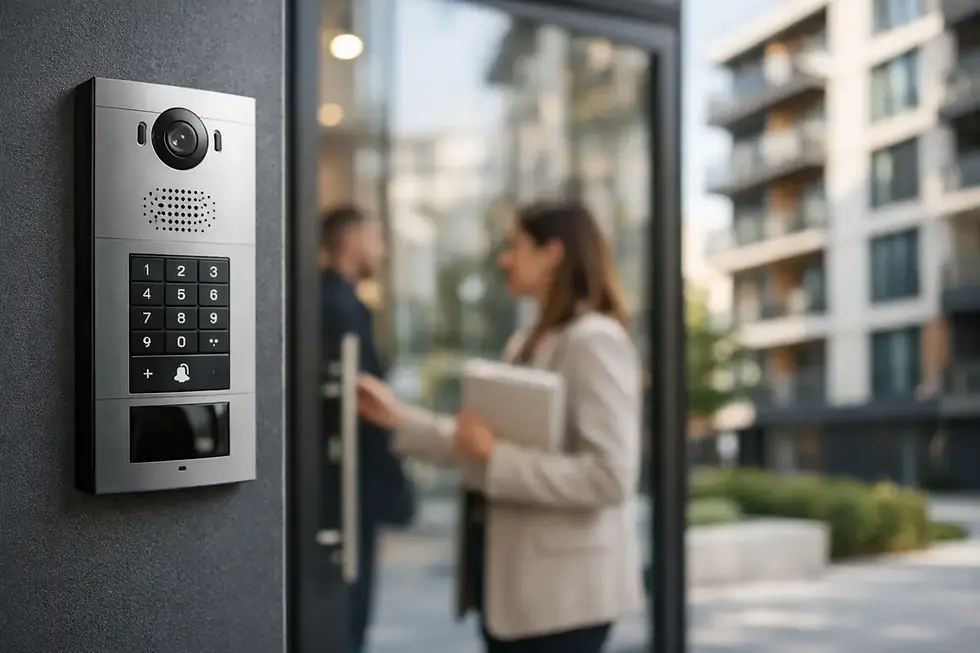
Intercoms can be simple or advanced. A single residential gate station is a different proposition from a multi-tenant or commercial entry setup tied to internal stations, mobile answering and door release functions. As with CCTV, the key cost driver is not just the device itself. It is how well the system is integrated and how reliably it performs under daily use.
Why labour and configuration matter
When buyers compare quotes, hardware is easy to focus on because it is visible. Labour is where a great deal of value sits. Certified installation helps ensure the system is safe, compliant, correctly mounted, properly powered and configured for the environment.
Configuration is often underestimated. Cameras need recording rules and user permissions. Alarms need zone logic and entry delays. Access control needs schedules, user credentials and emergency override planning. A lower quote can look attractive until it leaves half of that work undone.
This is also where integrated service has a practical advantage. When one provider handles supply, installation and setup, it is easier to avoid finger-pointing between trades or equipment sellers. For commercial sites and temporary deployments, that can save time as much as money.
Fixed systems versus mobile security towers
Some sites do not suit fixed infrastructure. Construction sites, vacant blocks, temporary compounds and exposed asset areas often need coverage quickly, without waiting for permanent power, network cabling or building works. In these cases, comparing security system installation cost against a mobile tower setup is not an apples-with-apples exercise.
A mobile solar CCTV tower may include delivery, installation, configuration and removal as part of the deployment model. That changes the cost conversation. Instead of paying for permanent civil or electrical works, the site gets commercial-grade surveillance and visible deterrence with faster setup and greater flexibility.
For short-term or changing environments, that can be the more efficient choice. For long-term fixed premises, a permanent system may offer better value over time. The right answer depends on how stable the site is, how quickly protection is needed and whether assets are likely to move.
How to compare quotes properly
The strongest quote is not always the lowest. It is the one that clearly explains scope, equipment quality, installation method, configuration, warranty and any ongoing charges. If one quote includes app setup, user training, testing and monitoring options while another only covers basic installation, the prices are not directly comparable.
Ask whether the quote allows for the actual site conditions. Ask who handles system programming, handover and future upgrades. Ask what happens if the installation uncovers cabling issues, power limitations or coverage gaps. Good providers are clear about allowances, exclusions and next steps.
For many clients, the best value comes from a tailored design rather than an off-the-shelf package. That is particularly true for mixed-use properties, commercial premises and temporary sites where risk is not evenly distributed.
When paying more makes sense
There are situations where a higher upfront cost is justified. Better camera performance can matter if identification is required, not just general observation. Smarter access control can matter if staff turnover is frequent or site security needs to be audited. Monitored alarms can matter if response time is critical.
Likewise, a rapid deployment solution can be worth the premium if delays leave a site exposed. Businesses and managers usually feel the cost of theft, vandalism and downtime long before they feel the savings of a weak installation.
At Pegasus Data Systems, that is often where the conversation starts - not with the cheapest box of hardware, but with what level of protection the site genuinely needs and how quickly it needs to be in place.
A useful quote should leave you with clarity, not guesswork. If the system fits the site, the installation is done properly and the setup supports real-world use, the spend tends to make sense long after the invoice is paid.


Comments